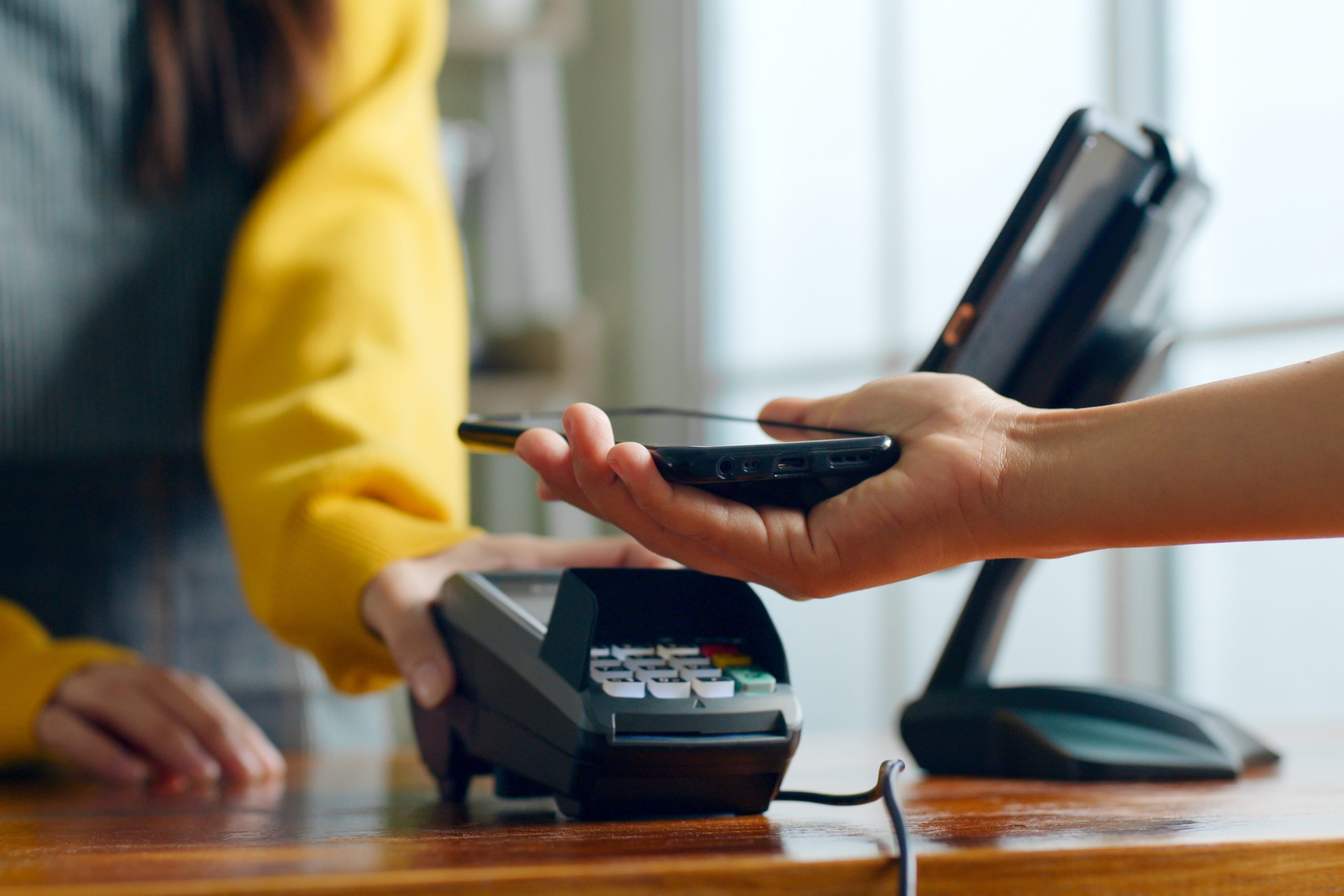
Gift cards are attractive to fraudsters for the same reasons customers like them: they hold real value, they’re quick to spend and they’re easy to pass on. For a brand, fraud costs more than the stolen value. It means chargebacks, customer complaints, time spent investigating and damage to trust in the program. This guide covers the most common gift card fraud schemes aimed at brands and retailers, the controls that stop them and how to respond when something gets through.
Why fraudsters target gift cards
- Value is instant. A card can be spent or resold within minutes of being stolen or bought fraudulently.
- It’s hard to trace. Once a card is spent, there’s little to link it back to the fraudster.
- There’s a ready resale market. Cards can be sold on at a discount and turned into cash.
- Programs are spread out. Cards are sold in stores, online and through retail partners, so every channel needs its own controls.
Common gift card fraud schemes
| Scheme | How it works | Main controls |
|---|---|---|
| Card draining (tampering) | Card numbers are copied from cards on a rack, or barcodes are swapped, and the balance is spent as soon as a real customer loads it | Tamper-evident packaging, PINs hidden under a scratch panel, activation checks at the till |
| Balance-check attacks | Bots guess card numbers and PINs through balance checkers to find active cards | Rate limits, bot protection, PINs, monitoring for repeated failed lookups |
| Stolen payment cards | Gift cards are bought online with stolen credit cards, then spent or resold before the chargeback lands | Fraud screening on online sales, purchase limits, delayed delivery for risky orders |
| Account takeover | Fraudsters log in to customer accounts and spend stored gift card balances | Strong login security, alerts on balance changes, step-up checks before spending |
| Refund and return fraud | Stolen or unpaid goods are returned for a gift card instead of a refund | Receipt checks, limits on refunds to gift cards, monitoring of high-refund cards |
| Insider fraud | Staff activate cards without payment, or misuse refunds and voids | Activation only against a payment, role-based permissions, exception reports |
| Promotion abuse | Bonus offers are exploited through repeat or automated purchases | Limits per customer, offer rules checked at the till, monitoring |
| Scams targeting customers | Customers are tricked into buying gift cards and sharing the numbers with scammers | Warnings at the point of sale and on packaging, staff training on warning signs |
How to prevent gift card fraud
No single control stops every scheme. The best protection is layered:
- No value until paid. Cards should only be activated at the point of sale against a confirmed payment. A card on a rack, or in a parcel, holds nothing until then.
- Secure cards and codes. Use tamper-evident packaging, PINs under scratch panels and card numbers that can’t be guessed. For digital cards, issue codes securely and only on delivery.
- Protect balance checks. Rate limits, bot protection and PIN checks stop automated guessing.
- Screen online sales. Check online gift card purchases for fraud signals, set limits per order and customer, and hold risky orders for review before codes are sent.
- Control the till. Restrict manual activations, refunds to gift cards and overrides to the right roles, and review exceptions regularly.
- Monitor in real time. Watch activations, redemptions and balance checks as they happen, so you can spot patterns and act quickly.
- Make blocking and reissuing easy. When a card is compromised, block it straightaway and move the remaining value to a new card for the genuine customer.
- Train staff and warn customers. Staff who know the warning signs stop fraud at the counter. Clear warnings help customers avoid scams that use your cards.
Warning signs to watch for
- Many balance checks or failed PIN attempts from the same source.
- Cards redeemed within minutes of activation, especially online.
- Large or repeated gift card purchases from new accounts or unfamiliar locations.
- Several cards bought with one payment card, or one card topped up from many payment cards.
- Unusual numbers of refunds to gift cards, voids or manual activations at one store or by one employee.
- Clusters of customer complaints about empty cards from the same location.
Responding when fraud gets through
- Block the affected cards to stop further spending.
- Work out the pattern: which channel, store, batch of cards or promotion was involved.
- Look after genuine customers by reissuing the remaining value quickly, so they aren’t punished for the fraud.
- Close the gap by tightening the rule, limit or process that was exploited.
- Keep records of what happened and what changed, for your payment partners and auditors.
Fraud in third-party channels
When cards are sold through supermarkets, drugstores and other retail partners, they sit on racks outside your own stores. Activation at the partner’s till means the cards hold no value until they’re paid for, and secure packaging protects the card details until then. If your cards are sold through third-party distribution, check that every partner follows the same activation and security standards.
How epay Conductor helps
epay Conductor runs on certified data centers that meet ISO 27001, PCI DSS and KRITIS standards. Its fraud controls cover codes, activations and redemptions. Transactions are encrypted from purchase to redemption, and fraud monitoring runs continuously. Learn more about epay’s gift card processing or request a demo.
Gift card fraud FAQs
What is gift card draining?
A scheme in which fraudsters record the numbers of cards on a store rack, or tamper with them, then wait for a customer to load value and spend the balance first. Tamper-evident packaging, hidden PINs and checks at activation help prevent it.
Why do scammers ask for gift cards?
Gift card value can be spent or resold quickly and is hard to trace, so scammers pressure people into buying cards and sharing the numbers. Brands can help by warning customers at the point of sale and on packaging, and by training staff to spot the signs.
How can brands spot gift card fraud early?
By monitoring activations, balance checks and redemptions in real time and watching for patterns, such as cards spent minutes after activation or repeated failed balance checks. Alerts on these patterns let teams block cards before more value is lost.