Closed-loop gift cards are a tool for building customer loyalty and repeat business. Here’s how they work and why retailers use them.
What is a closed-loop gift card?
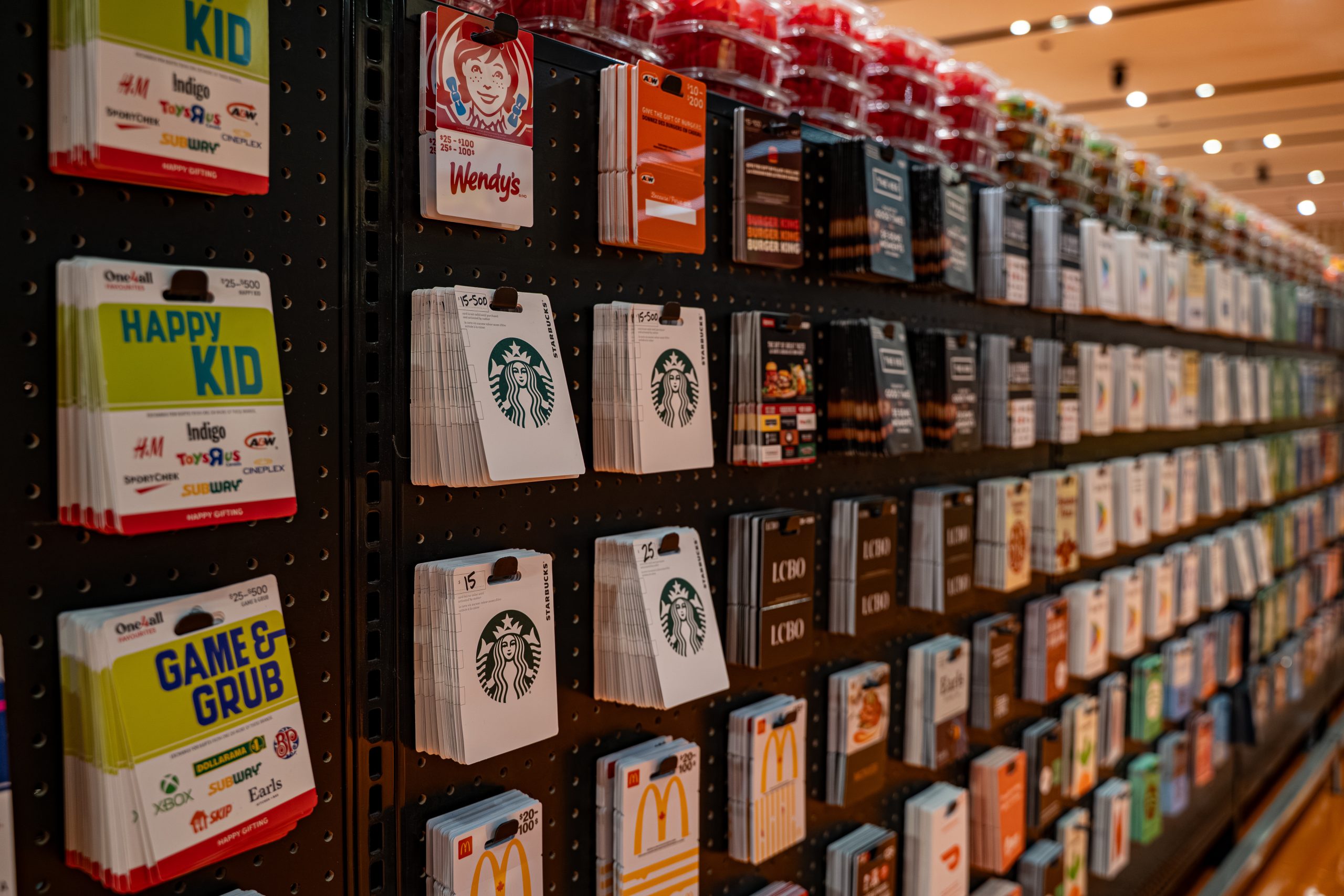
A closed-loop gift card can only be spent at the issuing retailer, or its affiliated merchants. This is different from an open-loop card, which works at a wide range of businesses and is usually backed by a network like Visa or Mastercard.
Because a closed-loop card carries the issuing retailer’s branding, it also works as a marketing tool: every time it’s used, it reinforces the retailer’s brand.
Purchase and redemption
Customers buy the card from the retailer or an authorised vendor, and it’s activated on purchase. From there, it can only be redeemed within that retailer’s network. Each transaction reduces the balance until it’s fully spent.
Why retailers use them
Repeat visits
A gift card draws the customer into the store, online or physical. If the full balance isn’t spent in one visit, the customer has a reason to come back.
Simple accounting
Because transactions run through the retailer’s own point of sale, there’s no need to integrate a third-party payment gateway, which makes revenue and cash flow easier to track.
Brand control
The retailer controls where and how the card is spent, and can customise its look, messaging, and any attached offers, which strengthens the connection to the brand.
Seasonal promotions
Retailers can run limited-time offers (a bonus with purchase, a discount when the card is used) tied to holidays or events, driving extra sales at key times.
Online expansion
A retailer that supports gift cards on its website can extend the same loyalty mechanism into online sales, meeting customers who prefer to shop that way.
Physical and digital options
Offering both formats lets customers choose: physical cards for the traditional gift-giving experience, digital cards for instant access.
In short
A closed-loop gift card keeps spending inside a retailer’s own ecosystem. That’s a constraint for the customer, but a lever for the retailer: repeat visits, simpler transaction tracking, and consistent brand exposure with every use.